



Life at Oasis House
Nothing here is meant to be remarkable
Oasis House is a house. It is furnished like a home and it is intended to be lived in like one.
For a child who has moved more than once, the unremarkable is most of what has been missing. The photographs on this page are illustrative, and deliberately ordinary.
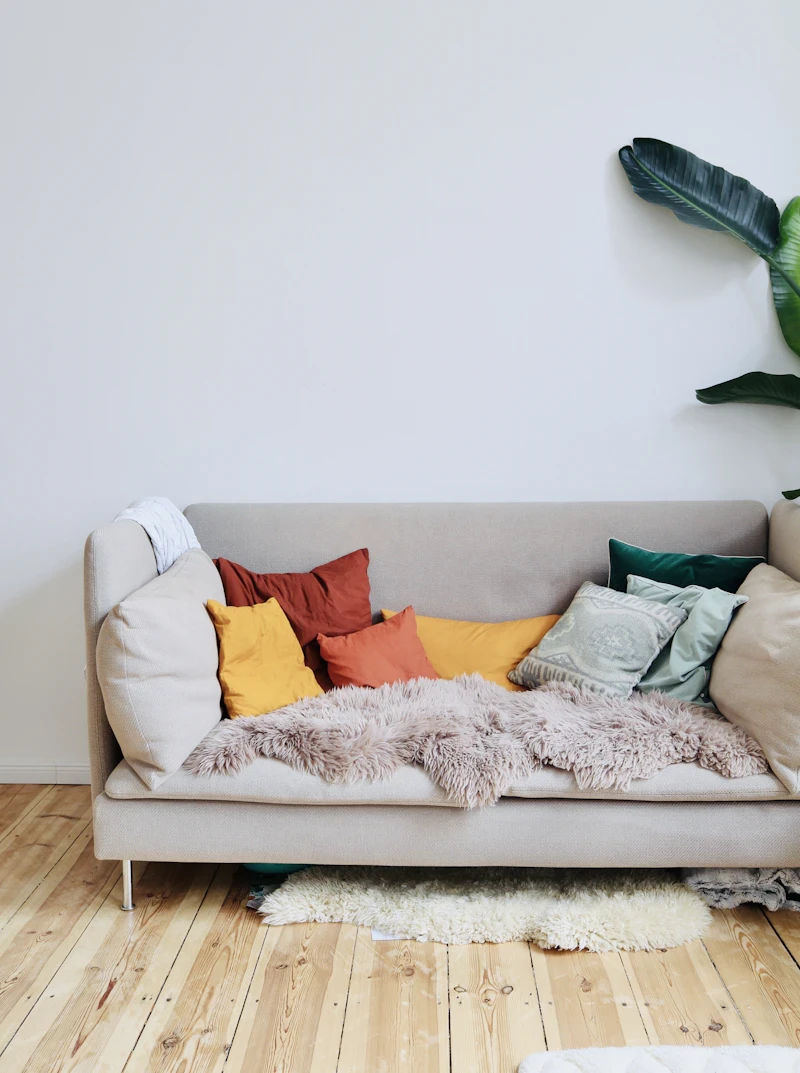
A real house
A lounge, a kitchen, a table, a garden and a staircase
An ordinary residential property, not a unit built for the purpose. That is the point of it.
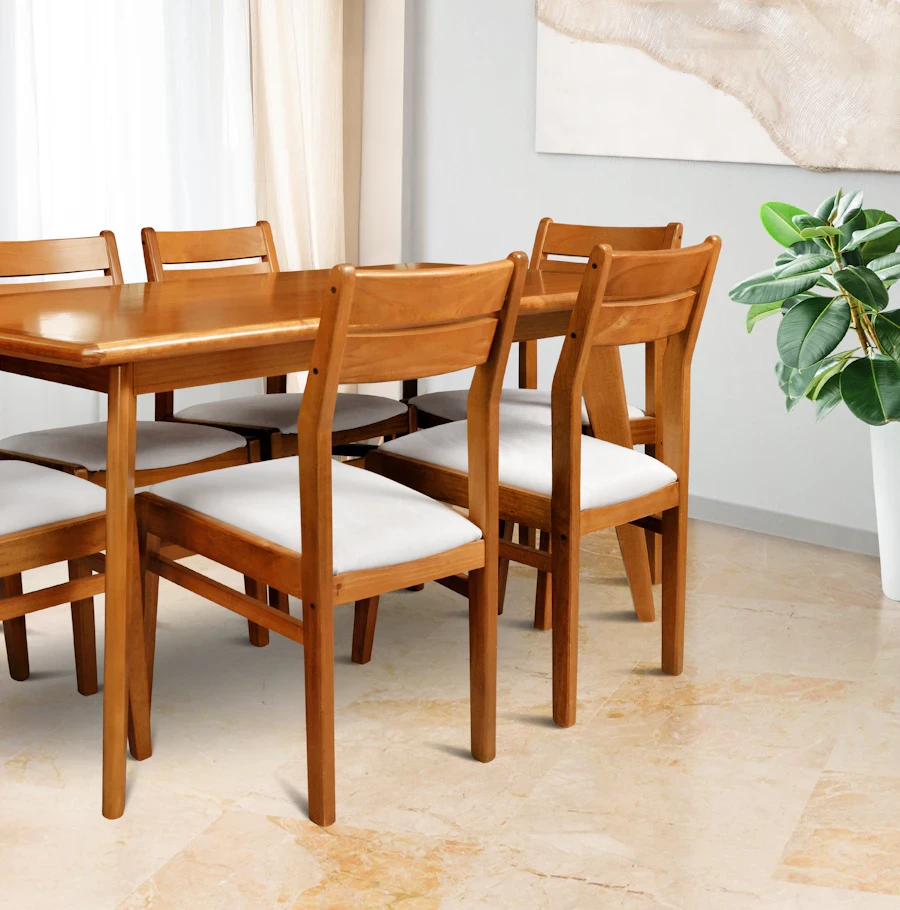
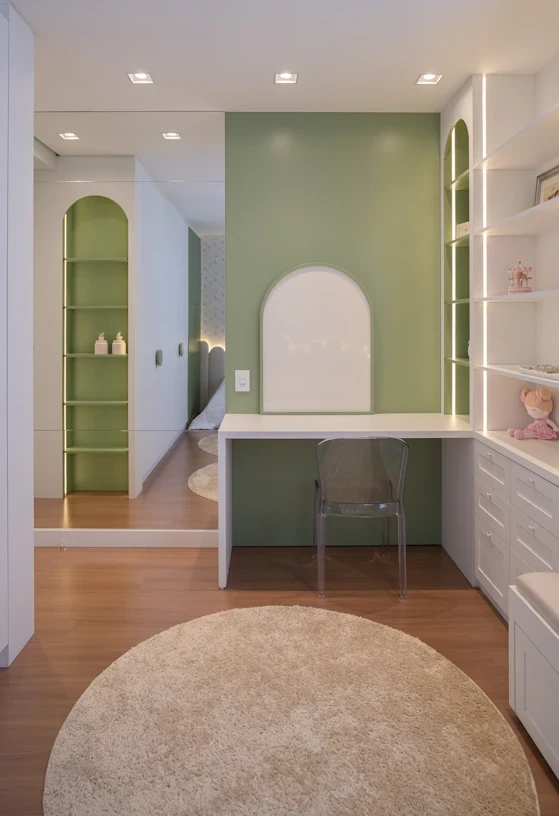
Downstairs: lounge, dining area, kitchen, and an enclosed garden beyond. Upstairs: a fully furnished bedroom of the child’s own, a quiet low-stimulation space for stepping out of everything for a while, and staff accommodation kept separate from the children’s part of the house.
Personal space
A door that is theirs to close
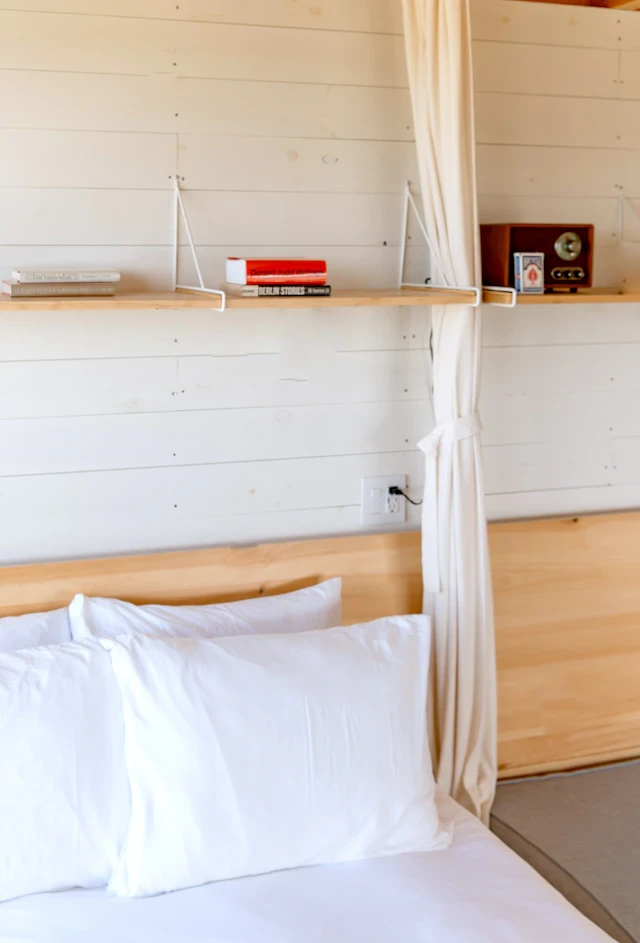
The child will have their own bedroom, and will be encouraged to make it look like it belongs to them rather than to the building.
Personalising a room is one of the plainest ways a child gets to say this is mine and I am staying. Privacy will be age-appropriate and taken seriously — a permanent adult presence never means a child has nowhere to be alone.
Around the home
The ordinary spaces add up
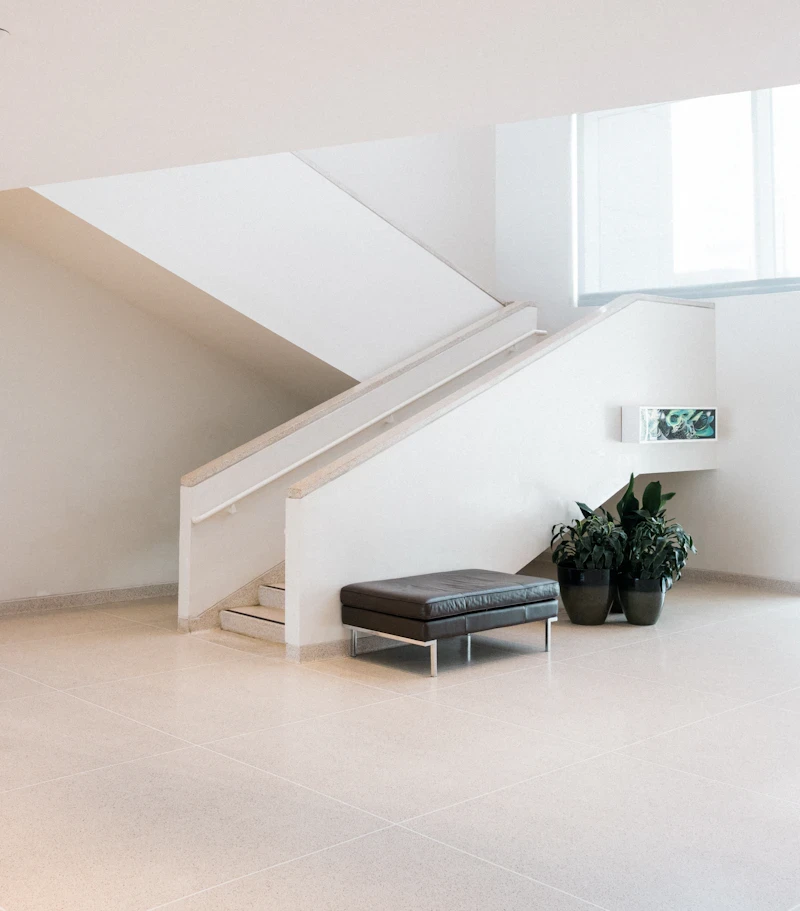
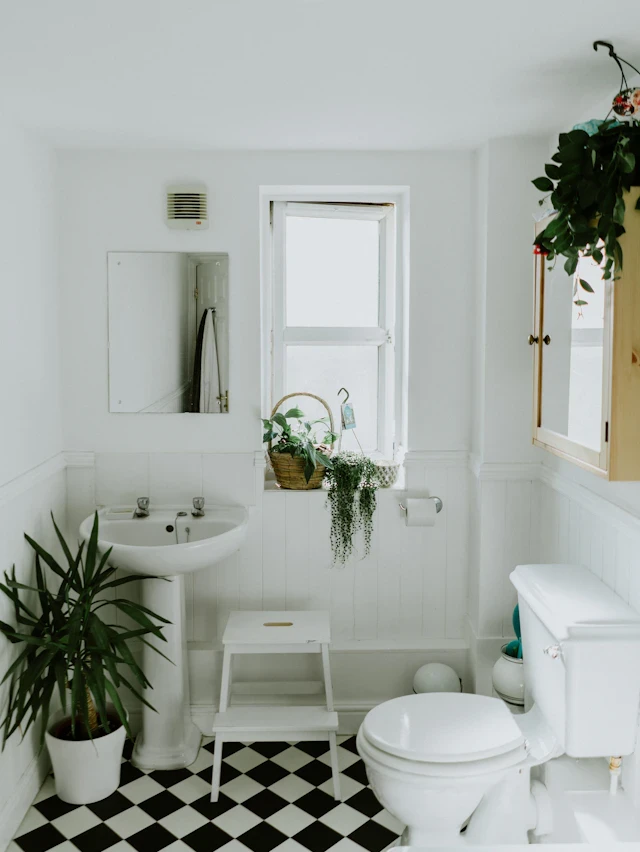
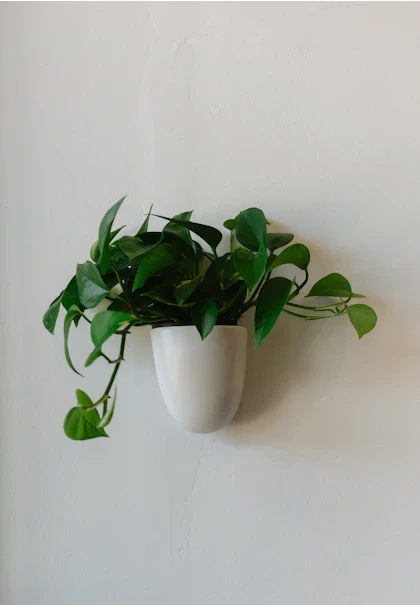
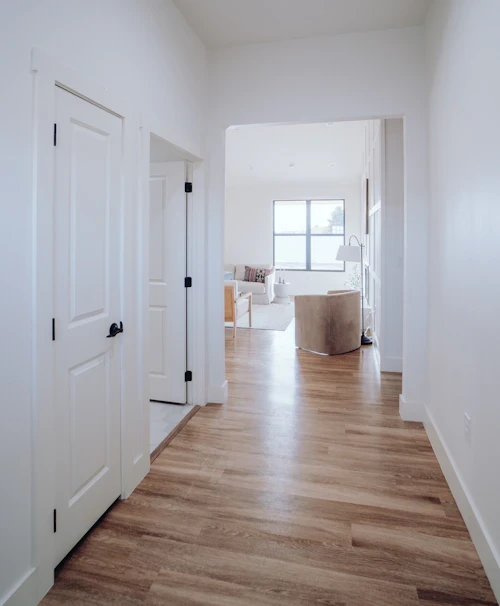
A home is mostly small things, kept the same.
Rhythm
A shape to the day, not a timetable on the wall
Daily life will be organised around the child — their needs, their stage, the routines that already work for them. What will stay constant is the predictability: mornings and evenings that go the way a child expects them to, and adults who do what they said they would do.
No timetable is published here, and there will not be one. An individual child’s day will be set out in their own care and support plan, written with them.
Having a say
The people who live somewhere should get a say in how it runs
Everyday choices and house meetings
The child will help shape the routine rather than receive it finished — with regular house meetings they can put items on and, if they want to, chair.
A key worker, every week
Dedicated one-to-one time with a familiar adult, in the week whether or not anything is wrong.
Identity, family and being heard
Culture, faith, language and family time actively supported where it is safe and right for the child — and independent advocacy when a child needs help being heard.
Outside
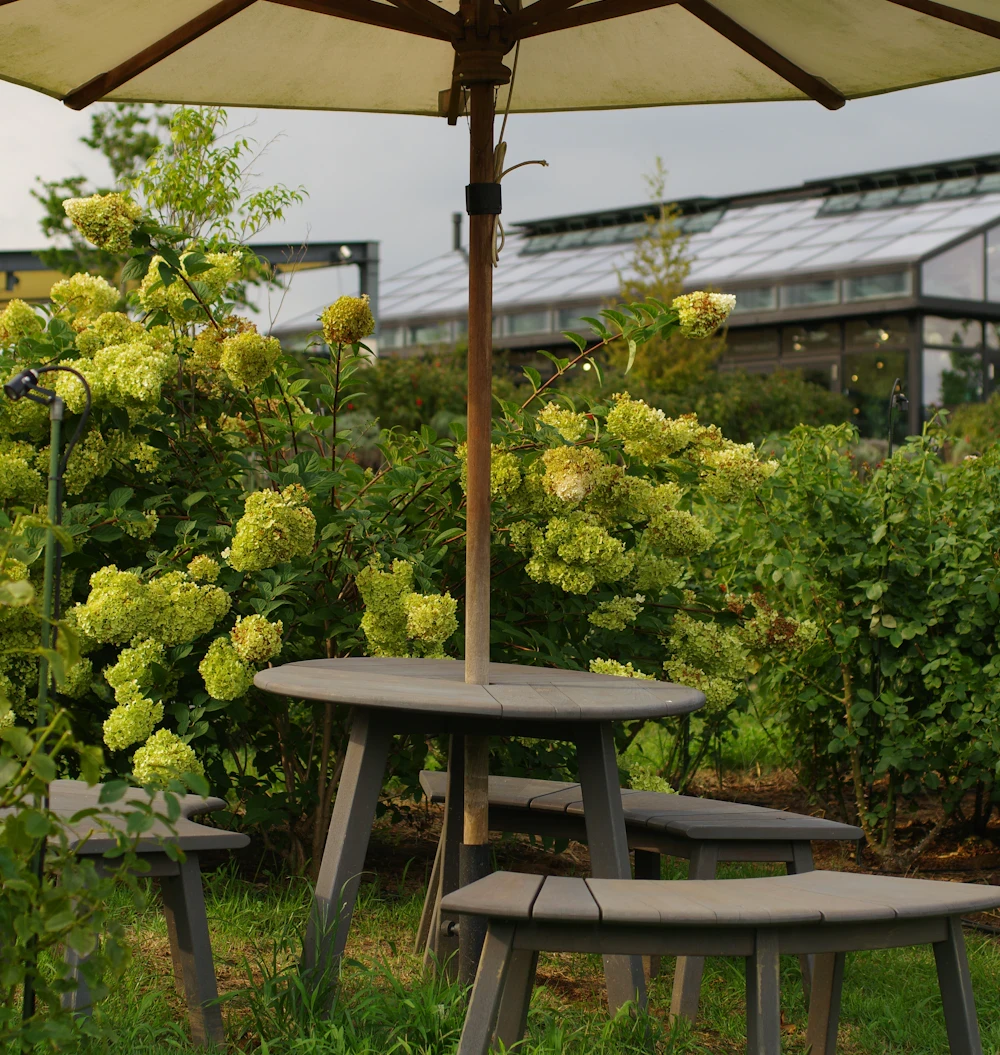
A garden with a bench in it
Enclosed, fenced, and meant for the whole age range — running about, eating outside when the weather allows, or sitting with somebody and not saying much.
Philosophy, in practice
What all of that looks like on a Tuesday
Every home says it is warm, safe and child-centred. The only honest way to show it is to say what those words turn into when nobody is presenting them.
Education
Education is not something that happens elsewhere.
Somebody who knows the child goes to the meetings, reads the plan and notices the week it starts going wrong — rather than hearing about it at the next review.
Health and wellbeing
Health appointments are ordinary care, not admin.
Registration with local services, appointments kept, and an adult who has been before sitting in the waiting room — because for some children that room is the hard part. Alongside it the unglamorous everyday: sleep that is actually protected, meals somebody sat down for, and emotional health treated as the same kind of health as a sore throat.
Emotional regulation
Behaviour is communication.
The adult stays, keeps their own voice level, and works out afterwards what the moment was about — and what happens next is repair, never a sanction dressed up as a consequence.
Relationships and family
A child’s people do not stop being their people.
The practical work of it — lifts, phone calls, birthdays remembered, the timing bent around a child rather than around the rota — treated as part of the job rather than as a favour. And who counts as family is the child’s answer to that question, not ours.
Wishes, feelings and participation
Children are part of writing their plan, not the subject of it.
A child’s own words in their plan, not a summary of them — and their view carried into the review even when they would rather not be in the room for it. Every child gets a Children’s Guide written for their age and the way they communicate, so knowing how to disagree with us is not something they have to work out for themselves.
Independence and community
A life outside this house, not just inside it.
Cooking a meal, managing money, getting a bus — started early and at the child’s pace, not compressed into the last year before leaving. And a reason to leave the house that is theirs: something local they choose and are helped to keep going to, friendships that survive moving here, and faith, culture and language supported in practice rather than in principle. Getting somebody to a Tuesday evening in the rain is most of what that commitment actually is.
Safeguarding
The people who notice are the people who are there every day.
Adults who notice a change in a child before it becomes an incident, write it down accurately, and raise it — and a home where saying “something is not right here” is expected rather than brave.
Keep reading
The rest of an ordinary week
Planning for a particular child? Discuss a Future Placement